DSF member of the month - Theresa Seyram Agbenyegah
| published by | Sarah Abderemane |
|---|---|
| in blog | The Django weblog |
| original entry | DSF member of the month - Theresa Seyram Agbenyegah |
For March 2026, we welcome Theresa Seyram Agbenyegah as our DSF member of the month! ⭐
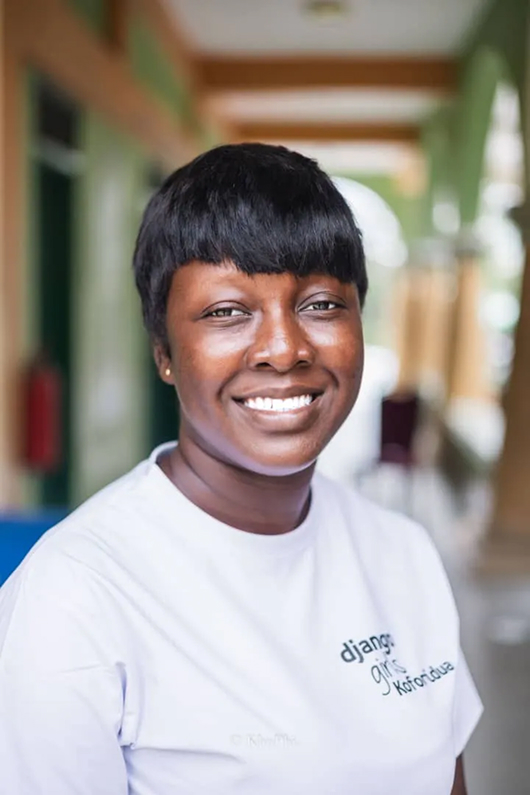
Theresa is a passionate community builder serving in the DSF Events Support Working Group. She has demonstrated strong leadership by taking on roles such as LOC Programmes Lead at PyCon Africa 2024 and Programs Chair for PyCon Ghana 2025. She also organized DjangoGirls events across multiple PyCons, including PyCon Ghana 2022 and PyCon Africa 2024.
You can learn more about Theresa by visiting Theresa's LinkedIn profile and her GitHub Profile.
Let’s spend some time getting to know Theresa better!
Can you tell us a little about yourself (hobbies, education, etc)?
I’m Theresa Seyram Agbenyegah, mostly referred to in the community as Stancy; a backend engineer, social entrepreneur, and an open source advocate/contributor passionate about using technology for impact. My background is in technology, community management, and systems design. Over the years, I have grown into roles that combine engineering, leadership, and ecosystem building.
I know many folks call you Stancy, me included, why specifically this name?
So “Stancy” is my initials 😁, People think it is my nickname.
How did you start using Django?
I was introduced to Django through a Django Girls workshop, and oh i’m a Django girl. I loved how opinionated yet flexible it was. The “batteries-included” philosophy made backend architecture feel structured without being restrictive.
The admin interface especially blew my mind early on; being able to scaffold powerful internal tools so quickly felt magical.
What other frameworks do you know, and if you had magical powers, what would you add to Django?
I have worked with Flask, FastAPI, and explored the Dart framework. Each has strengths, especially FastAPI in performance and modern async patterns.
If I had magical powers, I would:
- Make async patterns even more seamless across the ecosystem
- Improve first class support for large scale distributed system
- Provide even more built-in tooling for observability and performance profiling
But overall, Django’s maturity and ecosystem are hard to beat.
What projects are you working on now?
I’m not working on any big projects at the moment, I'm mostly working on client projects at work.
Which Django libraries are your favorite (core or 3rd party)?
Some of my favorites:
- Django Rest Framework (it’s practically essential for modern APIs)
- django-filter
- django-allauth
- Celery (for async task processing)
- Django Debug Toolbar (for development clarity)
The ecosystem really makes Django powerful.
What are the top three things in Django that you like?
- The admin interface
- The ORM
- The strong community and documentation (FYI: it gives me a sense of belonging)
Django feels stable, mature, and production-ready which builds developer confidence.
You have been in the organization of PyCon Africa and DjangoGirls that happen during this conference in 2024. That's great, do you have any advice for people who would like to join or create their own DjangoGirls event in their city?
Start small and start with intention.
You don’t need a massive budget. What you need is:
- A committed small team
- Clear structure
- Support from the global DjangoGirls organization, Django Software Foundation, and other communities.
- A safe, welcoming environment
Most importantly, center the participants. The goal isn’t just teaching Django, it’s building confidence and introducing them to the Tech industry.
How did you become a leader of the PyLadies Ghana chapter?
My Leadership journey in the PyLadies Ghana community began with a simple step: attending a Django Girls workshop at Ho while I was in school. At the time, I was just curious and eager to learn more about programming. After the workshop, I was introduced to the PyLadies Ghana community and added to the group. That was my first real connection to a tech community.
I started by simply showing up, participating in conversations, attending events, and learning from others in the community. Over time, I became more involved. I joined the PyLadies Ghana Tema Chapter, where I supported the community lead with organizing activities that are bootcamps, meetups,etc. Through that experience, I had the opportunity to contribute more actively.
Because of my commitment and willingness to help, I was later asked to volunteer as a co-lead of PyLadies Ghana Tema Chapter. I accepted the opportunity and began working more closely with the Lead to organize events, support members, and grow the community. It was a period of learning, collaboration, and service.
As I continued contributing and volunteering, more opportunities opened up. When there was a chance to volunteer with PyLadies Ghana programs and events, I stepped forward again and volunteered as PyLadies Ghana Programs and Events Lead. That experience eventually led to me becoming a lead.
Looking back, my journey with PyLadies Ghana has been shaped by community, consistency, and volunteering. What started as attending a workshop grew into leadership and the chance to help create opportunities for others. It reminds me that sometimes all it takes is showing up, contributing where you can, and being willing to grow with the community.
You have been organizing a lot of events in Africa, especially in Ghana. How do you envision organizing an event? Would you like additional support?
For me, events are ecosystems, not just gatherings.
Focus on:
- Clear goals and impact
- Accessibility
- Diversity of voices
- Strong logistics planning
- Follow-up community building
Yes, more funding support, institutional partnerships for internships, and long-term sponsorship pipelines would significantly help African tech communities scale sustainably.
This is the international women's day today, I'm glad to have you featured on this special day. Do you have any word to mention in relation to this?
International Women’s Day is a reminder that representation is not a trend, it's a necessity.
We need more women building systems, shaping infrastructure, leading conversations, and owning technical spaces.
And to every woman in tech: your presence is powerful. Keep building. Keep speaking. Keep leading. Keep mentoring and raising the next tech women.
What are your hobbies or what do you do when you’re not working?
When I’m not working, I’m usually reading books/articles, mentoring, watching movies or documentaries, cooking, reflecting, or exploring new ideas around technology and social impact. I also enjoy quiet strategy sessions with myself, thinking about how to build things that outlive me.
Is there anything else you’d like to say?
Technology is more than code, it's access, power, and possibility.
I hope more people see themselves not just as users of technology, but as architects of it.
Thank you for doing the interview, Stancy !